Bhutan is a Himalayan country known for monasteries, mountains, green valleys, traditional architecture, and rich cultural heritage. For travellers from Maharashtra, Bhutan tour packages from Pune offer nature, spirituality, adventure, and local traditions. Families, couples, and friends can enjoy its distinctive atmosphere. Visitors should plan enough time between destinations, especially when travelling on mountain roads, and avoid packing too many activities into a single day during the same trip. Planning requires research about transport, accommodation, permits, sightseeing, customs, and expenses.
1. Why Choose Bhutan for Your Next Holiday?
Bhutan lies in the eastern Himalayas and is known for mountain scenery, villages, monasteries, forests, and rivers. Visitors can learn about Buddhist culture while enjoying natural surroundings.
Bhutan values sustainable tourism and heritage preservation. It appeals to travellers seeking culture, relaxation, and outdoor experiences.
Reasons to visit:
- Mountain Landscapes: See Himalayan peaks, green valleys, forests, and rivers.
- Buddhist Culture: Visit monasteries, temples, prayer halls, and religious landmarks.
- Outdoor Activities: Enjoy trekking, hiking, rafting, and nature walks where available.
- Traditional Architecture: Discover colourful buildings, dzongs, and heritage structures.
- Peaceful Surroundings: Take a break from busy urban environments.
2. How to Travel from Pune to Bhutan
There are no regular direct flights from Pune to Paro. Travellers connect through another Indian city or combine train and road travel.
By Air
Fly from Pune to Delhi or Kolkata, then check onward flights to Paro. Allow sufficient connection time. Paro is Bhutan’s international airport, and weather can affect operations.
By Road
Travellers can reach West Bengal and enter Bhutan through the Jaigaon–Phuentsholing border. Siliguri or Hasimara can be reached by train or air, followed by a road transfer to the border. From Phuentsholing, road transport connects with Thimphu and Paro.
Road journeys pass forests and small towns but can take time. Include rest breaks.
When comparing Bhutan tour packages from India, check flights, transfers, road distances, border formalities, and total travel time.
3. Best Time to Visit Bhutan
The best season depends on weather preferences, mountain views, festivals, and planned activities.
Spring (March to May)
Spring brings pleasant weather, blooming flowers, and colourful forests, making it suitable for sightseeing and outdoor activities.
Summer (June to August)
Summer brings warmer conditions and monsoon rain in several areas. Valleys look green, but heavy showers may affect road journeys and hikes. Keep schedules flexible and check local forecasts.
Autumn (September to November)
Autumn often brings clearer skies, mountain views, and cultural festivals. Confirm festival dates before booking.
Winter (December to February)
Winter is cold at higher elevations, but lower valleys can be explored with warm clothing.
Choose dates based on your interests and transport availability.
4. Top Tourist Places to Explore in Bhutan
A balanced itinerary combines cultural landmarks, scenic locations, and local experiences.
Thimphu
Thimphu is the capital and a common starting point. Attractions include Buddha Dordenma, Tashichho Dzong, Memorial Chorten, the National Folk Heritage Museum, and Motithang Takin Preserve. Local markets and handicraft shops offer opportunities to explore Bhutanese products.
Paro
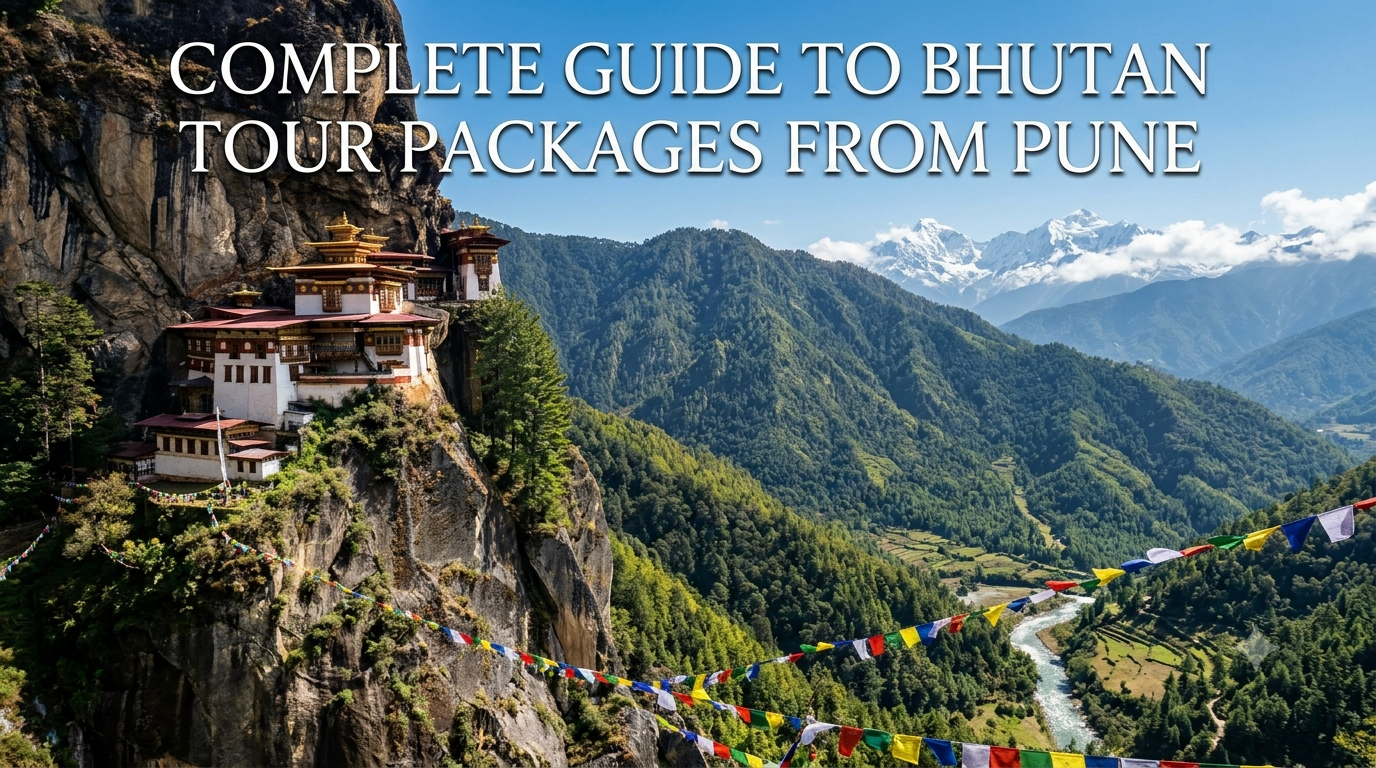
Paro is known for its valley, traditional houses, monasteries, and mountain surroundings. It is home to Bhutan’s international airport. Rinpung Dzong, the National Museum, and Taktsang Monastery, commonly called Tiger’s Nest, are major attractions. Allow enough time for the uphill monastery hike.
Punakha
Punakha is known for rivers, green scenery, and historic architecture. Punakha Dzong stands near two rivers. Other attractions include the suspension bridge, Chimi Lhakhang, and nearby villages.
Phuentsholing
Phuentsholing is a major road entry point from India. Attractions include Bhutan Gate, Zangto Pelri Lhakhang, and local markets.
Bumthang
Bumthang has peaceful valleys, temples, and traditional villages. It suits travellers interested in history and spirituality, but its longer road journey makes it better for extended holidays.
5. Bhutan Entry Permits and Sustainable Development Fee
Indian citizens do not need a visa, but must obtain an entry permit. Accepted identification commonly includes a valid Indian passport or original Voter ID card. Families should confirm separate document requirements for children. Photographs may be requested.
Apply online or at designated entry points. Applying in advance may reduce waiting. Keep documents accessible.
Bhutan also charges Indian tourists a Sustainable Development Fee (SDF), stated at INR 1,200 per person per night under the policy referenced for this guide. Children aged six to eleven receive a concession, while children below six are exempt. Government policies can change, so confirm the current fee and exemptions before booking.
The SDF is separate from accommodation, meals, transport, and sightseeing. Include it in your holiday budget.
6. Suggested Bhutan Itinerary for Six to Seven Days
A six or seven-day trip can cover Thimphu, Punakha, and Paro at a manageable pace, depending on arrival arrangements.
Day 1: Arrival and Transfer to Thimphu
Arrive at Paro or enter through Phuentsholing. Complete formalities and continue to Thimphu. Keep the evening relaxed after travelling.
Day 2: Thimphu Sightseeing
Visit Buddha Dordenma, Memorial Chorten, Tashichho Dzong, and local handicraft markets. Explore Bhutanese culture and architecture.
Day 3: Thimphu to Punakha
Travel through Dochula Pass, where clear weather may reveal mountain views. Visit Punakha Dzong and enjoy the riverside surroundings.
Day 4: Punakha Exploration
Explore Chimi Lhakhang, the suspension bridge, and nearby villages. Allow time for photography and local experiences.
Day 5: Punakha to Paro
Return to Paro and visit Rinpung Dzong or the National Museum, depending on opening hours and arrival time.
Day 6: Tiger’s Nest Monastery
Set aside the day for Taktsang Monastery. Wear suitable shoes, carry water, and take breaks on the uphill hike.
Day 7: Departure
Have breakfast, complete departure formalities, and travel to the airport or chosen exit point. Keep a time buffer for road conditions.
Adjust the itinerary to flight timings, weather, fitness levels, and personal interests.
7. Bhutanese Food to Try
Food is an important part of experiencing Bhutanese culture. Traditional meals commonly use rice, vegetables, chillies, cheese, and local ingredients.
Ema Datshi is a well-known dish made with chillies and cheese, while Kewa Datshi combines potatoes and cheese. Phaksha Paa is a pork preparation with chillies and vegetables, and Jasha Maru is a spicy chicken dish. Red rice is a local staple, while momos are popular dumplings with different fillings.
Many restaurants offer vegetarian choices. Travellers who prefer mild food can request less chilli. Trying local dishes provides insight into regional ingredients and food habits.
8. Activities and Experiences in Bhutan
Bhutan offers experiences beyond sightseeing.
Trekking and Hiking: Explore walking trails and mountain routes. The Tiger’s Nest hike is well known, but consider your fitness and the weather.
Cultural Exploration: Visit monasteries, museums, villages, and markets to learn about local history and customs.
Photography: Capture prayer flags, traditional buildings, rivers, forests, and mountain scenery. Follow local rules before photographing people or ceremonies.
Festival Experiences: Festivals feature masked dances and religious performances. Dates vary, so check the calendar.
Shopping: Look for handmade textiles, wooden crafts, paintings, and souvenirs. Ask about local craftsmanship when purchasing items.
9. Approximate Budget for a Bhutan Holiday
Costs depend on dates, transport, accommodation, meals, activities, and group size. Budget for flights, onward travel, hotels, local vehicles, SDF, sightseeing, insurance, and personal purchases.
Compare what different Bhutan tour packages from Pune include rather than judging only the headline price. Check whether permits, SDF, transfers, meals, guides, and entry fees are included or paid separately. Keep a reserve for unexpected changes or weather-related delays.
10. Choosing the Right Travel Package from Pune
Travellers researching pune travel agency tour packages should compare itinerary details and understand the services before deciding.
Consider trip duration, flight connections, road transfers, hotel location, meals, sightseeing coverage, permit assistance, and flexibility. Families with children or senior travellers may prefer shorter driving days and comfortable accommodation. Read inclusions and exclusions carefully, and confirm cancellation terms, payment schedules, and support arrangements.
Savali Holidays offers a wide range of domestic and international tour packages, covering popular destinations across India and worldwide. Travellers can consider their interests, preferred dates, and available holiday duration when reviewing travel arrangements.
11. Essential Travel Tips Before Visiting Bhutan
Check forecasts and allow extra road time. Carry medicines, travel insurance, and some Indian currency. Understand payment options. Confirm flights, hotels, permits, and transfers, and keep document copies separately.
12. Frequently Asked Questions
Q1. How many days are sufficient for a Bhutan trip from Pune?
Six to seven days can cover Thimphu, Punakha, and Paro at a comfortable pace, depending on connections and travel time.
Q2. Do Indian tourists need a visa for Bhutan?
Indian citizens do not need a visa, but they must obtain an entry permit and carry accepted identification.
Q3. What is the best time to visit Bhutan?
March to May and September to November are popular periods for generally pleasant weather and sightseeing.
Q4. Is Bhutan suitable for family holidays?
Yes. Families can enjoy cultural attractions, scenic valleys, monasteries, and nature experiences. Choose activities according to everyone’s fitness and needs.
Q5. Can travellers fly directly from Pune to Paro?
Regular direct flights are not generally available. Travellers usually connect through another Indian city or choose a road-based route.
Final Words
Bhutan brings together Himalayan scenery, cultural heritage, peaceful surroundings, and outdoor exploration. Careful planning helps visitors manage transport, accommodation, permits, fees, and sightseeing without rushing. Before choosing Bhutan tour packages from Pune, compare itineraries, confirm current entry requirements, understand inclusions, and select a suitable season. A well-organised journey can make a Bhutan holiday comfortable, informative, and memorable.