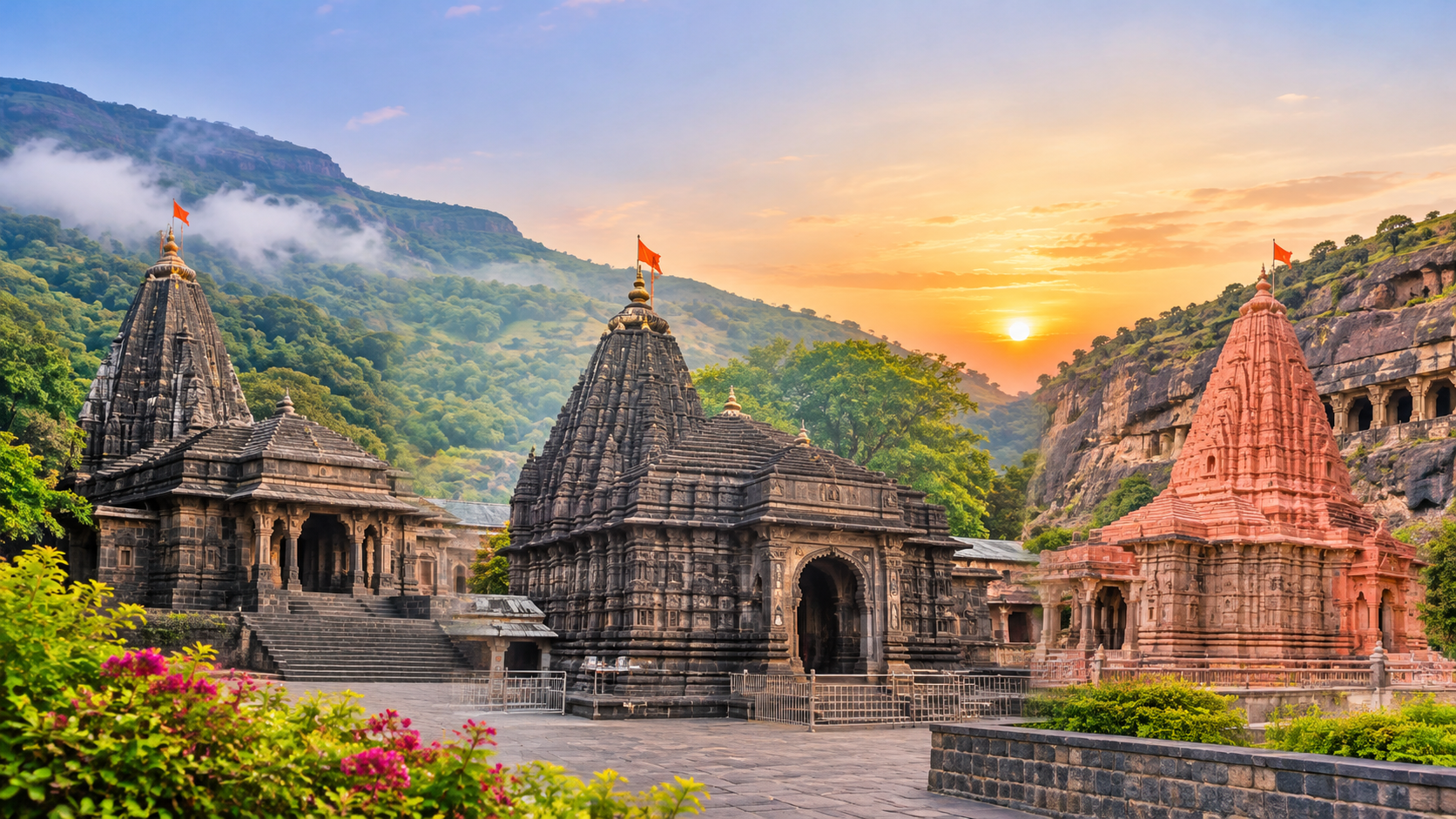
A pilgrimage to Maharashtra’s three celebrated Jyotirlingas brings together devotion, heritage, landscape and the experience of travelling through different regions of the state. Bhimashankar, Trimbakeshwar and Grishneshwar are associated with Lord Shiva and form a meaningful circuit for devotees, families and visitors interested in sacred architecture. A thoughtfully planned 3 jyotirlinga in Maharashtra Tour Package from Pune can make the journey easier to manage, especially when travellers are balancing road time, temple visits, meals and rest.
The temples are spread across the Sahyadri region and the Deccan plateau, so the circuit is not simply a short city tour. Bhimashankar lies amid forested hills, Trimbakeshwar is near Nashik and the Godavari’s sacred source, while Grishneshwar stands close to the Ellora heritage area.
Understanding the Three Jyotirlingas
Bhimashankar
Bhimashankar Temple is located in the Sahyadri hills and is known for its spiritual importance as well as its natural surroundings. The area includes a wildlife sanctuary with rich biodiversity, forest trails and viewpoints. The temple’s stone architecture and quiet setting create a distinctive atmosphere. Visitors should remember that hill roads can be winding and weather may change quickly, particularly during the monsoon.
A visit usually involves walking from the parking or drop-off area and following the temple’s entry arrangements. Comfortable footwear is useful for the approach, though footwear must be removed where required. Keep water, light snacks and any personal medicines accessible.
Trimbakeshwar
Trimbakeshwar Temple is in Trimbak, around 28 kilometres from Nashik city. It is revered as one of the twelve Jyotirlingas and is closely connected with the Godavari River and Brahmagiri Hill. The temple’s distinctive linga is associated with the forms of Brahma, Vishnu and Mahesh. The nearby Kushavarta Kund is an important sacred water body.
The town can become crowded during festivals and auspicious periods, so arrival time and patience matter. Rituals, access rules and queues can vary; check current temple guidance before travelling, especially if a particular puja is important to your group.
Grishneshwar
Grishneshwar Temple is located at Verul, near the Ellora Caves area. It is recognized as the twelfth Jyotirlinga in the traditional list. The temple’s carved stonework and red-toned structure distinguish it from the other shrines in the circuit. Its location makes it possible to pair the pilgrimage with a visit to Ellora, provided the day is not overloaded.
Allow enough time for the temple and any heritage visit separately. Ellora involves walking and exposure to the weather, so consider the needs of older travellers and children. Verify opening schedules and local rules before setting out, as access arrangements can change.
Planning the Tour Package
A practical tour plan begins with the group’s starting city, available days, mobility needs and preferred pace. Ask whether tolls, parking, meals, temple donations, guide services and additional waiting time are covered or charged separately.
The 3 jyotirlinga in Maharashtra Tour Package from Pune commonly begins with Bhimashankar because it is the closest of the three to Pune. From there, travellers can continue toward Nashik for Trimbakeshwar and then proceed to the Grishneshwar area before returning. Depending on traffic, darshan queues and overnight choices, three or four days may be more comfortable than a compressed schedule.
The 3 jyotirlinga in Maharashtra Tour Package from Mumbai needs careful attention to the first travel leg. Mumbai to Bhimashankar can take substantial time, and congestion leaving the city may affect the plan. Some groups may prefer travelling first toward Nashik, visiting Trimbakeshwar, and then continuing to the other temples. The most suitable order depends on the departure point, road conditions and confirmed accommodation.
For visitors based in northern Maharashtra, the 3 jyotirlinga in Maharashtra Tour Package from Nashik can start with Trimbakeshwar. Bhimashankar and Grishneshwar then become longer road legs, so overnight halts are important. Avoid planning every temple for a single day, particularly when travelling with seniors or young children.
Suggested Four-Day Itinerary
Day One: Reach Bhimashankar
Start early from the chosen city and travel toward Bhimashankar. Allow time for breaks and the final hill approach. After arrival, complete darshan at a comfortable pace and stay nearby or return to a suitable town if the group is prepared for the drive.
Day Two: Travel to Nashik and Trimbakeshwar
After breakfast, travel toward Nashik. Visit Trimbakeshwar according to the day’s temple arrangements and queue conditions. If time permits, explore a nearby area without compromising rest. Overnight in Nashik or Trimbak can make the next leg easier.
Day Three: Continue to Grishneshwar
Leave with sufficient time for the journey to Verul. Complete darshan at Grishneshwar and decide whether to visit Ellora based on opening hours, energy levels and the group’s interests. Stay in the nearby city or another convenient location.
Day Four: Return
Begin the return journey after breakfast. Build in meal and rest stops, and do not schedule a tight onward train or flight unless there is a generous buffer. A flexible final day reduces pressure if traffic or temple queues have caused delays.
Transport and Car Rental Considerations
Road travel offers flexibility for this circuit, but the best vehicle depends on group size, luggage and comfort. A car rental agency in pune may be useful for travellers who want a dedicated vehicle and driver, particularly when the itinerary begins in Pune. Compare the vehicle category, daily kilometre allowance, driver hours, night charges, tolls, parking and cancellation terms before confirming.
For a group travelling from Mumbai or Nashik, choose a provider operating from the actual starting city or confirm pickup and return arrangements in writing. Ask whether the driver is familiar with hill roads and temple drop-off points. Keep realistic driving hours and avoid expecting the driver to continue after a tiring day. Public transport can reduce costs, but transfers and waiting times may make a multi-temple circuit harder to coordinate.
Best Time and Crowd Planning
The cooler months generally make road travel and walking more comfortable. Monsoon brings green scenery around Bhimashankar, but rain, fog and slippery surfaces can affect driving and outdoor movement. Summer may require early starts, hydration and shorter outdoor visits. Festival dates, Mondays and major religious occasions can bring larger crowds, so check local advisories and allow additional time.
Temple schedules may change for festivals, maintenance or special rituals. Confirm opening and darshan information close to departure rather than relying only on an old itinerary. If a group member has limited mobility, ask about accessible routes and assistance in advance; do not assume all areas are step-free.
Accommodation, Meals and Comfort
Choose overnight stops based on the next day’s route, not only on hotel preference. Staying near Trimbakeshwar can simplify an early visit, while accommodation near the Grishneshwar and Ellora area may reduce travel after darshan.
Carry drinking water, basic medicines, a small first-aid kit, chargers, identity documents and modest clothing suitable for worship. Food options can vary by location and time, so plan meals around travel rather than assuming every stop will have a wide choice. Leave the temple and natural areas clean, use waste bins and respect local residents.
Before departure, share the route with family and keep emergency contacts available. Download maps, but follow road signs and local directions. Carry cash for small purchases where digital payments may not work. Confirm pickup time, luggage capacity and the final drop-off point with the driver before travel.
Responsible and Respectful Travel
A pilgrimage is also an opportunity to travel thoughtfully. Follow temple instructions, maintain quiet in worship areas and ask before photographing people or rituals. Respect restrictions on photography, offerings and entry. Avoid littering, feeding wildlife or leaving marked paths in the sanctuary. Do not disturb animals or remove plants, stones or other natural material.
Travellers should be considerate of fellow devotees, especially in queues and narrow passages. Dress modestly and be prepared for security checks. Keep children close in crowded places and establish a meeting point if anyone becomes separated. Older visitors may benefit from a slower pace, frequent breaks and accommodation close to the next destination.
Choosing a Suitable Package
Compare itineraries by total travel time, number of nights, vehicle type, accommodation location and flexibility. A lower headline cost may exclude tolls, parking, meals or additional kilometres, so request a written breakdown. Confirm whether the plan allows enough time for darshan at all three temples and whether the driver’s schedule is reasonable.
The phrase 3 jyotirlinga in Maharashtra Tour Package describes a pilgrimage circuit, not a fixed route or universal duration. Ask for the proposed sequence and estimated drive times, then check them against your group’s needs. Keep a buffer for queues, roadworks and weather. Avoid choosing a package solely because it promises all temples in the shortest possible time.
Frequently Asked Questions
1. Which temples are included in this circuit?
The commonly followed Maharashtra circuit includes Bhimashankar, Trimbakeshwar and Grishneshwar, all revered as Jyotirlingas of Lord Shiva.
2. How many days should be planned?
Three days may work for travellers comfortable with long drives, but four days usually allows more rest and time for darshan.
3. Can the trip start from Pune, Mumbai or Nashik?
Yes. The route and order should be adjusted to the starting city, road conditions, accommodation and temple schedules.
4.Is a private vehicle necessary?
No. Public transport is possible, though connections and waiting times may make a private vehicle more convenient for a multi-stop itinerary.
5. Should temple timings be confirmed?
Yes. Check current schedules, entry rules and special arrangements before departure, particularly around festivals.
Final Words
A visit to Bhimashankar, Trimbakeshwar and Grishneshwar can be a memorable blend of faith, architecture and Maharashtra’s varied landscapes. Good planning means choosing a realistic route, allowing time for darshan, preparing for changing weather and respecting each temple’s customs. Whether the journey begins in Pune, Mumbai or Nashik, a balanced itinerary is more rewarding than a rushed checklist. Savali Holidays may be considered as a planning reference, but travellers should compare inclusions and confirm details independently before making arrangements. The purpose of the journey is to experience the shrines with care, patience and respect.