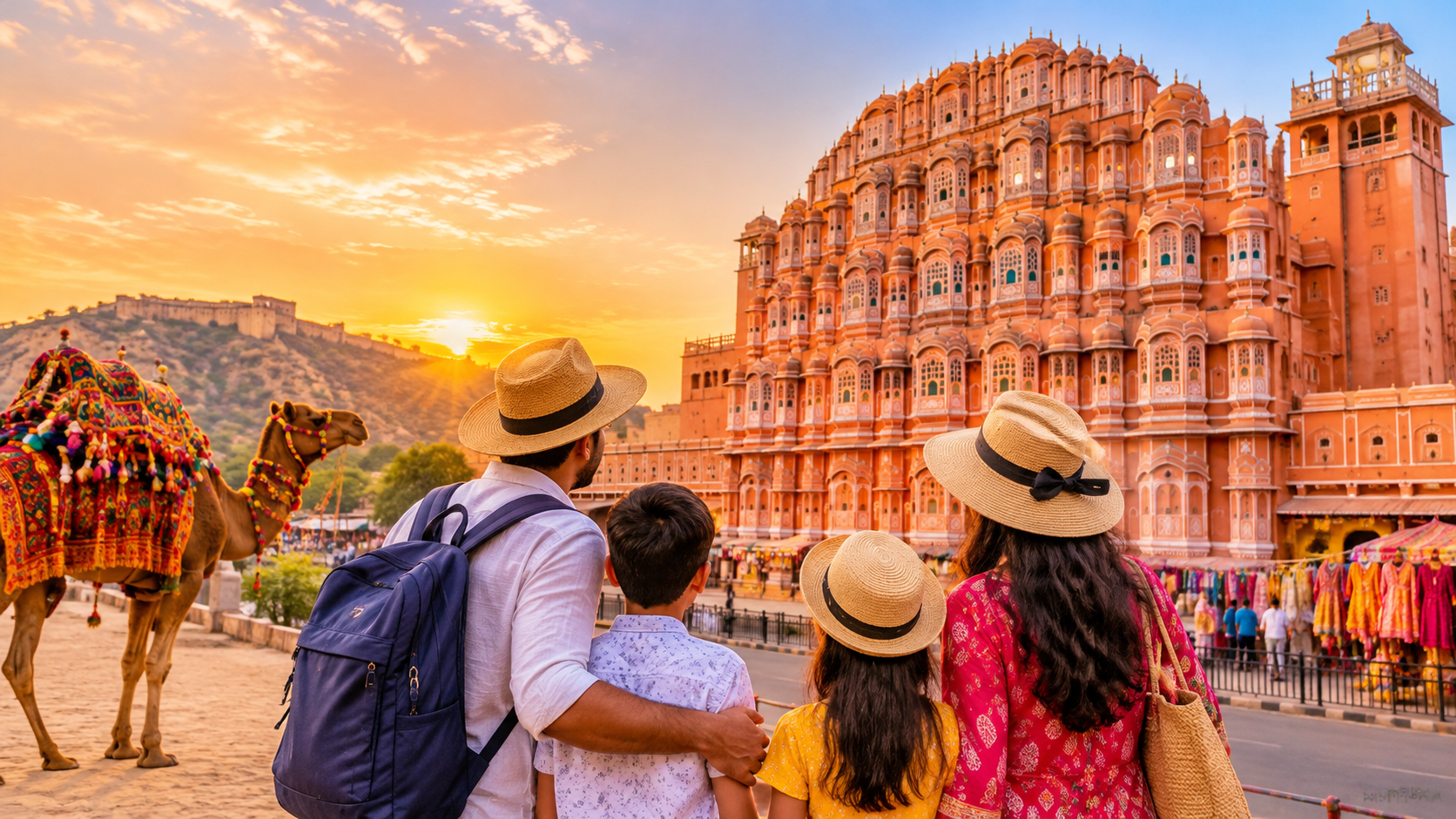
Rajasthan is a destination where the right season can make a significant difference to your travel experience. From exploring historic forts and royal palaces to enjoying desert landscapes, colourful markets, traditional festivals, and wildlife, every part of the state offers something different throughout the year.
For travellers planning Rajasthan tour packages from Pune, choosing the right month is important for comfortable sightseeing, convenient travel, and making the most of the holiday budget. Rajasthan experiences hot summers, a monsoon season with varying rainfall, and pleasant winters. Each season has its own advantages, depending on the places you want to visit and the type of holiday you prefer.
1. Why October to March Is the Best Time to Visit Rajasthan
The period between October and March is generally considered the most comfortable time to explore Rajasthan. The weather is suitable for outdoor activities, sightseeing, road journeys, and exploring historical attractions. Daytime temperatures are usually more manageable than during summer, although nights can become quite cold in desert regions.
According to Rajasthan Tourism, winter is particularly suitable for visiting the state because the desert sun is less intense and daytime conditions are pleasant. The season also brings several cultural festivals and fairs that attract visitors from different parts of India.
For people travelling from Pune, winter provides an opportunity to explore multiple destinations without experiencing extreme daytime heat. However, the best month depends on your itinerary, travel duration, budget, and personal preferences.
2. October and November: Pleasant Weather and Festive Experiences
October and November are excellent months for planning Rajasthan tour packages from Pune. The monsoon usually withdraws during this period, leaving many landscapes refreshed and suitable for sightseeing.
October: A Comfortable Start to the Tourist Season
October is a good month for travellers who prefer pleasant weather without the colder nights associated with December and January.
Jaipur, Jodhpur, Udaipur, and Pushkar become attractive destinations for exploring historical architecture, lakes, temples, and traditional markets.
The temperature can still feel warm during the afternoon, particularly in the western desert regions. Therefore, morning and evening sightseeing remains a practical choice.
October is also suitable for travellers interested in photography. The changing light, clearer skies, and landscapes following the monsoon can provide excellent opportunities for capturing Rajasthan’s architectural beauty.
November: A Month for Culture and Festivals
November is particularly suitable for travellers interested in Rajasthan’s cultural traditions.
Pushkar becomes a popular destination during its annual camel fair, which generally takes place around the Kartik Purnima period. The event features traditional activities, cultural performances, and livestock trading.
Travellers can also explore Jaipur’s historical attractions, Udaipur’s lakes, and Jodhpur’s heritage sites during this month.
Because November attracts many visitors, accommodation and transport should be arranged early, especially when travel dates coincide with major festivals.
3. December and January: Winter Holidays and Family Sightseeing
December and January are among the busiest months for Rajasthan tourism. The comfortable daytime weather makes these months suitable for families, couples, and groups planning longer holidays.
December: Ideal for School Holidays
December is a popular choice for Rajasthan tour packages from Pune for family because school holidays make it easier for parents and children to travel together.
Families can explore Jaipur’s palaces, visit Udaipur’s lakes, enjoy cultural activities in Jaisalmer, and discover the historical attractions of Jodhpur.
The cooler weather also makes walking through forts and heritage areas more comfortable.
However, December is a peak travel month. Accommodation availability may become limited during Christmas and New Year celebrations.
Travellers should consider booking flights, trains, hotels, and local transportation well in advance.
January: Comfortable Days and Cold Nights
January generally offers excellent conditions for sightseeing. Days are often sunny, while early mornings and nights can become quite cold.
Desert destinations such as Jaisalmer and Bikaner may experience particularly chilly nights. Visitors should carry warm clothing, especially when staying in desert camps or travelling with children.
January is suitable for exploring historical monuments, attending cultural events, and enjoying outdoor activities.
Families should also allow enough time between destinations because long road journeys can become tiring during winter mornings.
4. February and March: Comfortable Travel with Fewer Crowds
February and March are suitable alternatives for travellers who want pleasant weather but prefer to avoid the busiest winter holiday period.
February generally offers comfortable conditions for exploring Rajasthan’s major cities and desert attractions.
Jaisalmer’s Desert Festival is usually organised during February, although the exact dates vary each year. The festival showcases regional music, traditional performances, and cultural activities.
March marks the gradual transition towards summer. Temperatures begin to rise, particularly in western Rajasthan, but the month can still be suitable for sightseeing.
Holi celebrations also take place during March, depending on the Hindu calendar.
Travellers interested in cultural experiences should check festival dates before finalising their itinerary. Some celebrations attract large crowds, which can influence accommodation availability and local transport arrangements.
5. April to June: Summer Travel and Mountain Destinations
Summer is generally the least comfortable season for visiting Rajasthan’s desert cities.
Temperatures can rise above 40°C, and western regions may experience extremely high daytime temperatures. Rajasthan Tourism notes that temperatures can reach approximately 48°C in some areas.
During these months, outdoor sightseeing requires careful planning.
April: Early Summer Travel
April can still be manageable during the first part of the month, especially for travellers who begin sightseeing early in the morning.
Jaipur, Udaipur, and Jodhpur remain accessible, but afternoon activities should be limited.
Travellers should choose accommodation with reliable cooling facilities and maintain regular hydration.
May and June: Choose Cooler Destinations
May and June are generally the hottest months in Rajasthan.
Mount Abu, Kumbhalgarh, and Ranakpur are often considered more suitable options during this period because their locations can offer comparatively pleasant conditions.
Mount Abu is particularly attractive for travellers looking for a hill station experience within Rajasthan.
Families travelling during summer should avoid scheduling long outdoor activities during the hottest hours.
A shorter itinerary with comfortable accommodation and flexible sightseeing arrangements is usually more practical than attempting to cover several distant cities.
6. July to September: Monsoon Travel in Rajasthan
The monsoon season brings rainfall, increased humidity, and changing landscapes to Rajasthan.
Although it is not the most popular period for visiting the entire state, it can offer a different travel experience.
July and August: Green Landscapes and Lakes
Udaipur becomes particularly attractive during the monsoon because rainfall can improve the appearance of its lakes and surrounding landscapes.
Bundi is another destination worth considering for its historic architecture and traditional atmosphere.
The monsoon can also bring fewer tourists to certain destinations, creating opportunities for quieter sightseeing.
However, rainfall may affect road journeys, outdoor activities, and sightseeing schedules.
Travellers should monitor local weather conditions and maintain flexibility when planning their daily activities.
September: A Transition Towards the Tourist Season
September can be a useful month for travellers looking for a balance between quieter destinations and improving weather.
The monsoon gradually withdraws, although rainfall may continue in some areas.
Udaipur and other destinations in southern Rajasthan can be particularly appealing during this period.
Travellers should check weather forecasts before booking outdoor experiences, especially boat rides and excursions involving hilly roads.
7. Best Season for Different Rajasthan Destinations
The ideal travel month can vary depending on the destination.
| Destination | Recommended period | Main attraction |
|---|---|---|
| Jaipur | October to March | Forts and palaces |
| Udaipur | October to March | Lakes and heritage |
| Jaisalmer | November to February | Desert experiences |
| Jodhpur | October to March | Historic architecture |
| Pushkar | October to November | Cultural fair |
| Mount Abu | October to March | Hill station scenery |
| Ranthambore | October to April | Wildlife experiences |
These are general seasonal recommendations. Local weather, festival dates, and attraction schedules can influence the best time for an individual trip.
8. Planning Rajasthan Tour Packages from Pune for Family
Family holidays require additional planning because different age groups may have different travel needs.
Parents travelling with young children should consider shorter journeys, convenient accommodation, and sufficient rest between sightseeing activities.
Older family members may prefer itineraries with fewer walking-intensive attractions and comfortable transportation.
A five to seven-day itinerary can provide a reasonable introduction to Rajasthan without making the holiday too rushed.
For example, a family could explore Jaipur, Jodhpur, and Udaipur, depending on available travel time and transportation arrangements.
Families interested in desert experiences can include Jaisalmer, although reaching it may require additional travel time.
When selecting Rajasthan tour packages from Pune for family, consider the following factors:
- Total travel duration and journey timings.
- Hotel location and family room availability.
- Local transportation arrangements.
- Meal preferences and dietary requirements.
- Activities suitable for children and older travellers.
- Weather conditions during the selected month.
A travel agency in pune can help organise transportation, accommodation, and sightseeing arrangements according to the family’s requirements.
However, travellers should compare itinerary details, inclusions, cancellation policies, and travel timings before making a booking.
9. How to Choose the Right Booking Period
The best booking period depends on when you intend to travel.
For October and November holidays, planning several weeks or months ahead can help secure preferred accommodation and transportation.
For December and January, early booking becomes particularly important because of school holidays, festivals, and increased tourist demand.
February and March may offer more flexibility, although popular events can still influence availability.
Travellers planning summer or monsoon holidays may find more accommodation choices, but should carefully evaluate weather conditions and the suitability of their selected destinations.
When comparing Rajasthan tour packages from Pune, check whether the itinerary includes all required transfers, accommodation, sightseeing, and applicable travel arrangements.
Do not select a package based only on its advertised duration. A well-planned itinerary with sufficient rest and realistic travel times can provide a better experience than a packed schedule.
10. Travel Preparations Before Leaving Pune
Before travelling, confirm your departure arrangements and keep copies of important bookings.
If travelling by train, check the confirmed departure and arrival timings. For air travel, allow enough time for airport transfers and check baggage requirements.
Carry comfortable walking shoes, sunscreen, sunglasses, and suitable clothing for the season.
Winter travellers should pack warm clothes, particularly for desert destinations.
Summer visitors should carry reusable water bottles and plan sightseeing during cooler hours.
Families should also keep essential medicines, children’s travel requirements, and emergency contact details accessible.
For longer journeys, include rest stops and avoid planning too many activities on the day of arrival.
A little preparation can make the journey from Pune more comfortable and reduce unnecessary travel stress.
11. Final Words
The best season to explore Rajasthan is generally October to March, when comfortable daytime weather supports sightseeing, cultural experiences, and family holidays. November is particularly suitable for travellers interested in festivals, while December and January are excellent for winter vacations. February and March offer another pleasant travel window, whereas summer and monsoon trips require more careful destination selection.
Choosing the right travel month, planning a realistic itinerary, and arranging transportation and accommodation in advance can help create a rewarding Rajasthan holiday.
Savali Holidays is a travel agency in Pune, India, offering a reference point for travellers researching travel arrangements and holiday planning. Before booking, compare available options and choose an itinerary that matches your travel dates, budget, and family requirements.